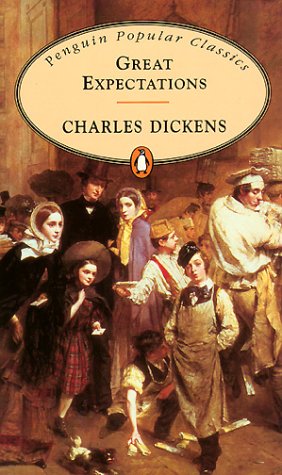
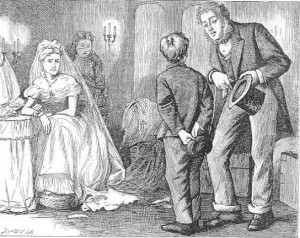
Book #17: Little
Dorrit by Charles Dickens
Ranking Dickens
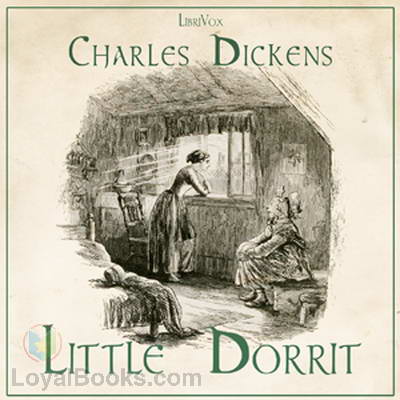 At this
point in the challenge, Charles Dickens seems like an old friend. If you need a
refresher, I have already read David
Copperfield, Great Expectations,
and A Tale of Two Cities. Finally, I
have made it to Little Dorrit, the
last Dickens’ novel I have to read for awhile. I have previously mentioned that
Dickens is not the best author to binge read and his novels are best read with
a decent amount of space between them. However, since I am extremely stubborn,
I made myself read the books on this list in the order they appear in Gilmore Girls episodes and ended up
reading these four in the span of six months. This was exhausting because
Dickens isn’t exactly light reading. I suppose this is why Dickens’ novels were
often originally published in monthly installments such as the case with Little Dorrit. Part of me sees this as
smart as it keeps the reader engaged and wanting more, but it also drags out
the process. Dickens isn’t like an episode of Scandal; you don’t necessarily have the desire to eagerly await the next installment with a big glass of wine.
At this
point in the challenge, Charles Dickens seems like an old friend. If you need a
refresher, I have already read David
Copperfield, Great Expectations,
and A Tale of Two Cities. Finally, I
have made it to Little Dorrit, the
last Dickens’ novel I have to read for awhile. I have previously mentioned that
Dickens is not the best author to binge read and his novels are best read with
a decent amount of space between them. However, since I am extremely stubborn,
I made myself read the books on this list in the order they appear in Gilmore Girls episodes and ended up
reading these four in the span of six months. This was exhausting because
Dickens isn’t exactly light reading. I suppose this is why Dickens’ novels were
often originally published in monthly installments such as the case with Little Dorrit. Part of me sees this as
smart as it keeps the reader engaged and wanting more, but it also drags out
the process. Dickens isn’t like an episode of Scandal; you don’t necessarily have the desire to eagerly await the next installment with a big glass of wine.
Out of the
four Dickens books I have read so far, my rankings stand as: A Tale of Two Cities, Great Expectations, David Copperfield, Little
Dorrit. I believe that Little Dorrit is
behind David

Money, Money, Money!
(Yes, I am quoting an ABBA song…)
Since Dickens’ is often making a social commentary about
money and class in his novels, I thought it be a convenient time to mention my
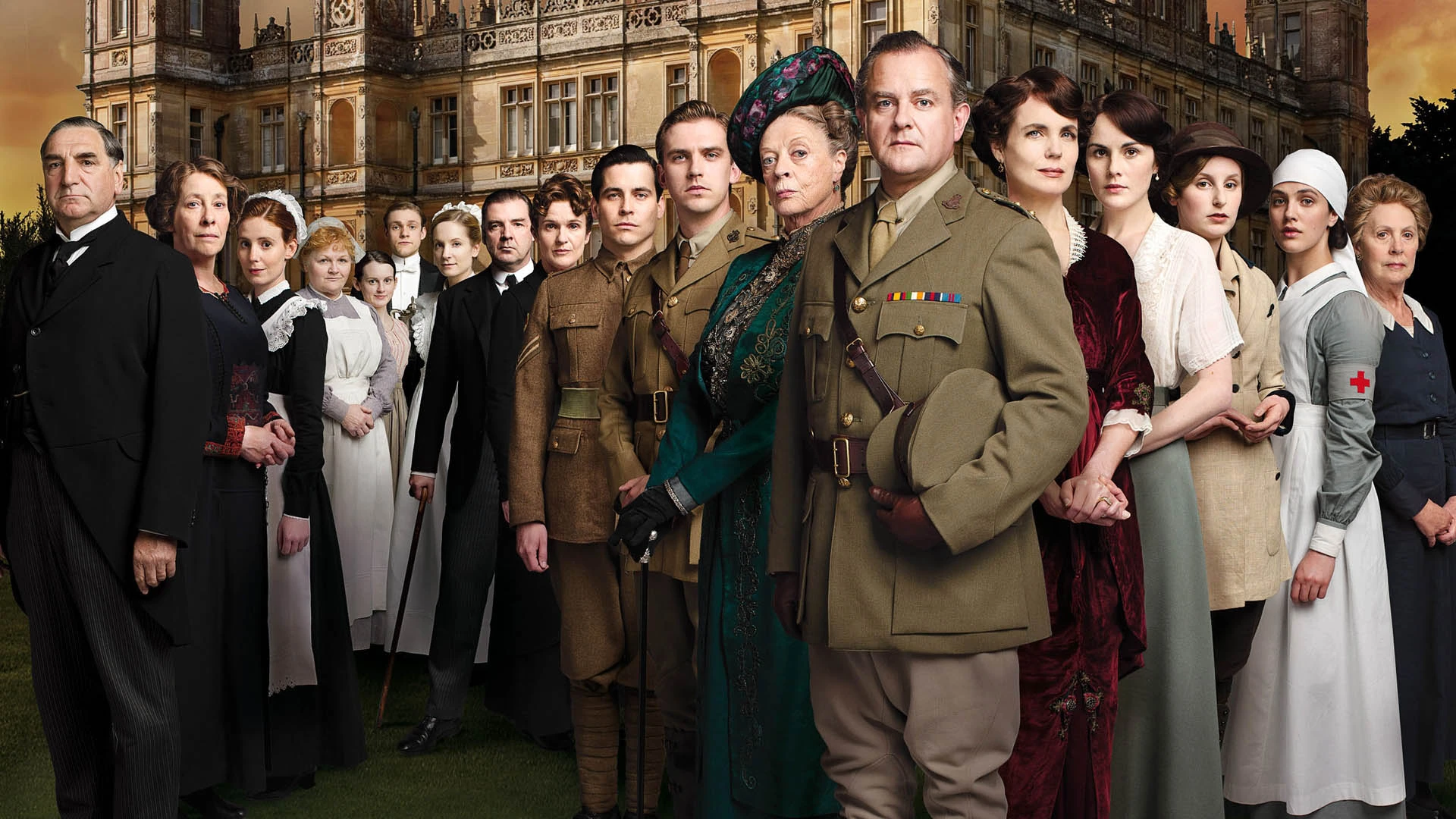
new obsession: Downton Abbey. I know,
I am about seven years too late to the party and am going off on a complete tangent here. Everybody has seen this show
years ago, but TOO BAD I just started watching it now. I don’t know why I was
so resistant to it for so long (there is my stubbornness again) because it is extremely addicting. But clouded
under all the drama is a commentary on the British class system and money…just
like Dickens! This shows how certain themes and motifs are used continuously
throughout story telling. Also, reading Dickens and watching Downton Abbey at the same time made me
feel very British and makes me yearn for England. I’ve been there once for a
Shakespeare study tour (you’ll hear all about this when we read all that
Shakespeare! Yay!) and want to go back desperately. But the more English works
I read and more English television shows I watch, the more I attempt to speak
in a British accent. I am so sorry to all my friends who have to put up with
this. My sister tells me "Leigh, your British accent is you just speaking faster in a higher octave." Sigh....
Gilmore Boys
Since Little Dorrit
is centered around a father and daughter relationship, I thought it would be a
good time to bring up the father-daughter relationships in Gilmore Girls. We always focus on the mother-daughter relationships
in the show, but the father-daughter ones are just as strong. Lorelei and
Richard have a complex relationship but at the core, both would do anything for
the other. Richard’s presence is huge over the course of the series and his
death is omnipresent in the revival. Rory and Christopher’s relationship is not
explored as in depth. Christopher is present in Rory’s life, but her loyalties
usually side with her mother as she was the one who raised her. I would argue that Luke is more of a father
figure to Rory. After all, he is the one that feeds her the most. I feel very lucky that I have such a good relationship with my father; I always have.
Fun fact: In
October 2011, The Guardian released
the results of a poll in which readers voted for their favorite Dickens’ novel.
Great Expectations won (no surprise,
it is pretty great) followed by Bleak
House (I’ve never read it, but one of my college English professors always
raved about it). David Copperfield won
third which surprises me and A Tale of
Two Cities made it at four. Little
Dorrit was ranked around 11 which isn’t too surprising as many people haven’t
heard of it nor is it extremely memorable. It seems that many people had a similar opinion as I did.
Charles, my friend, it has been a fun six months. I've enjoyed (sort of) your stories of poor orphans, imprisoned fathers, and women with fetishes for doppelgängers. But, now, it is time to return to your admirer Leo Tolstoy and finish reading Anna Karenina. Wish me luck!
Pictures
1.http://www.loyalbooks.com/image/detail/Little-Dorrit.jpg
2.https://a.wattpad.com/cover/111850375-352-k786598.jpg
3. http://vignette4.wikia.nocookie.net/downtonabbey/images/8/83/Downton-Abbey-series-2-cast-promo.jpg/revision/latest?cb=20131128023506